
Early Rulers & First King of a United Scotland
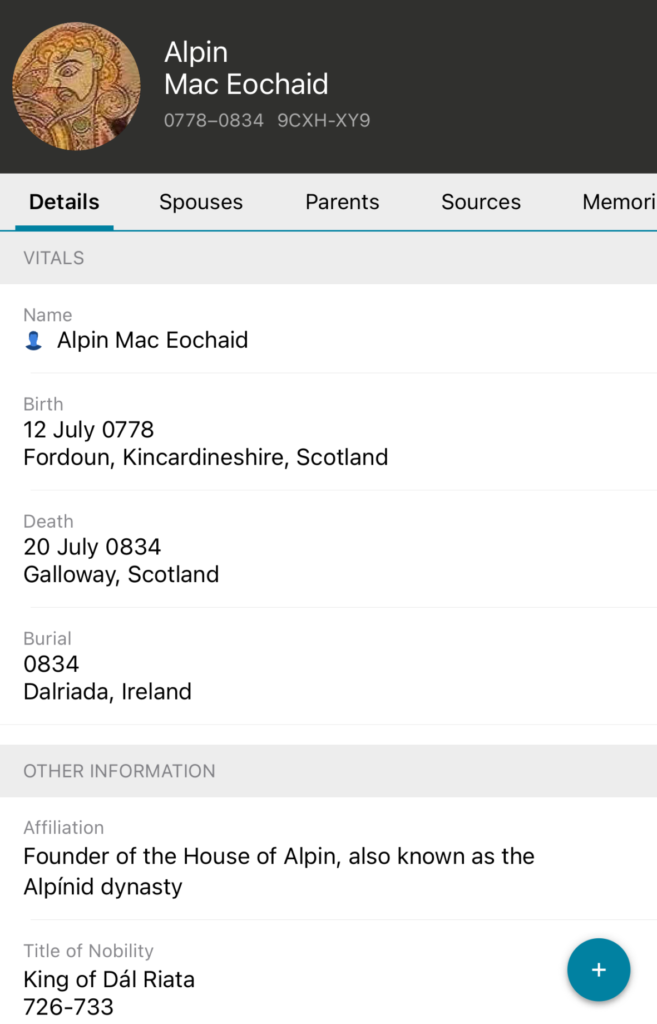
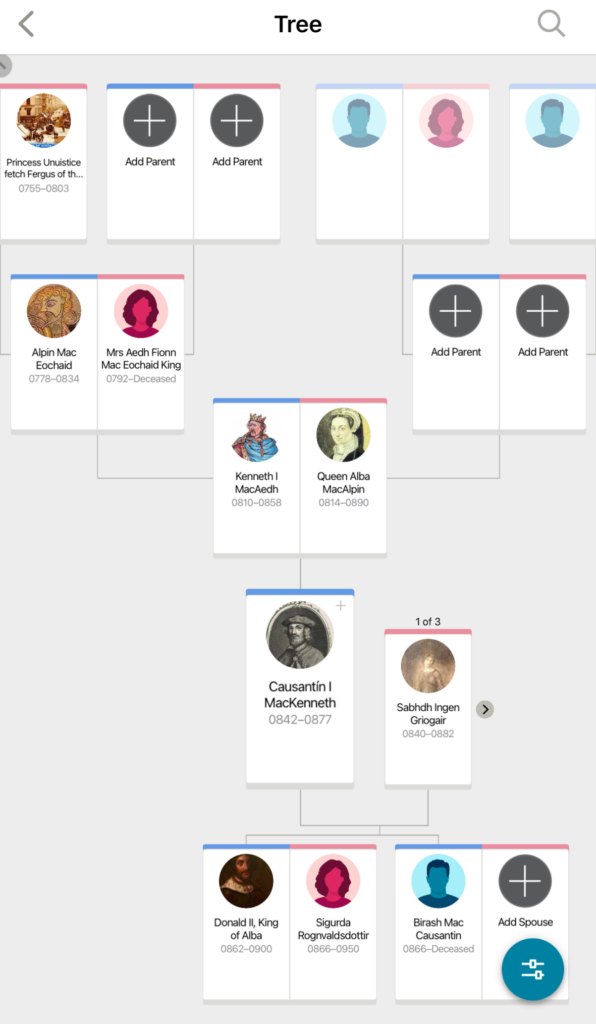
Alpín mac Echdach – Traditional early ruler in Dalriada; father of a key dynasty ancestor (his historic kingship is debated).
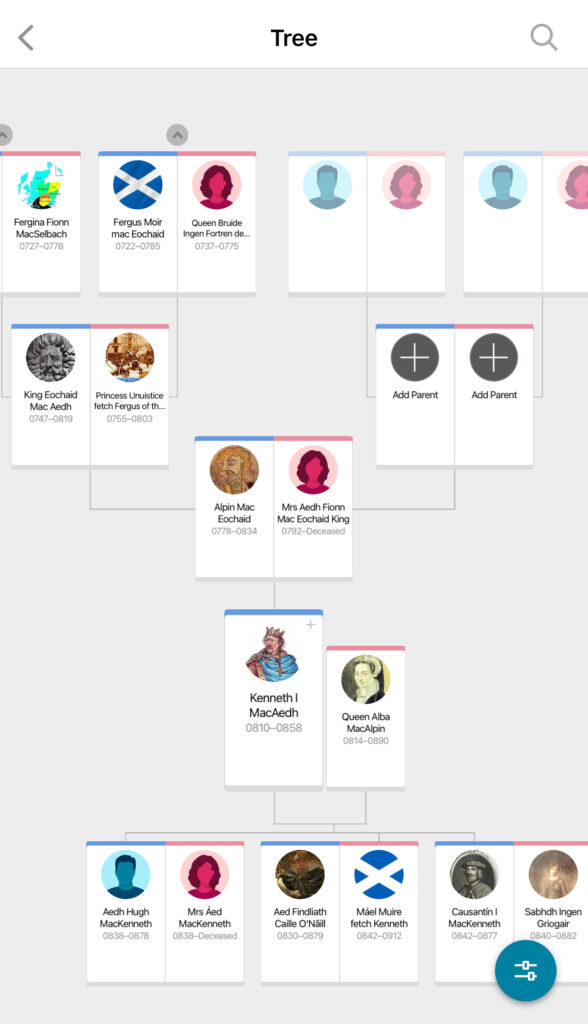
Kenneth MacAlpin (Kenneth I) – Traditionally considered the first king to unite the Scots of Dalriada and the Picts to form what became Scotland (reigned mid‑800s).
Notable Early Kings of Scotland (House of Alpin)
After Kenneth I, the monarchy continued through the House of Alpin, which provided several early kings of the Scots/Alba, including:
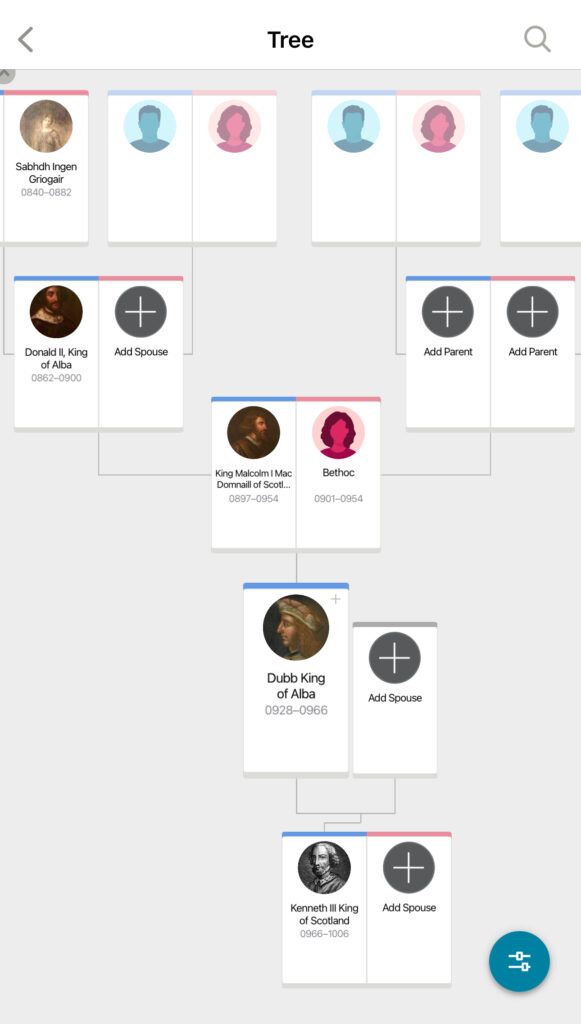
- Donald I – Brother of Kenneth I
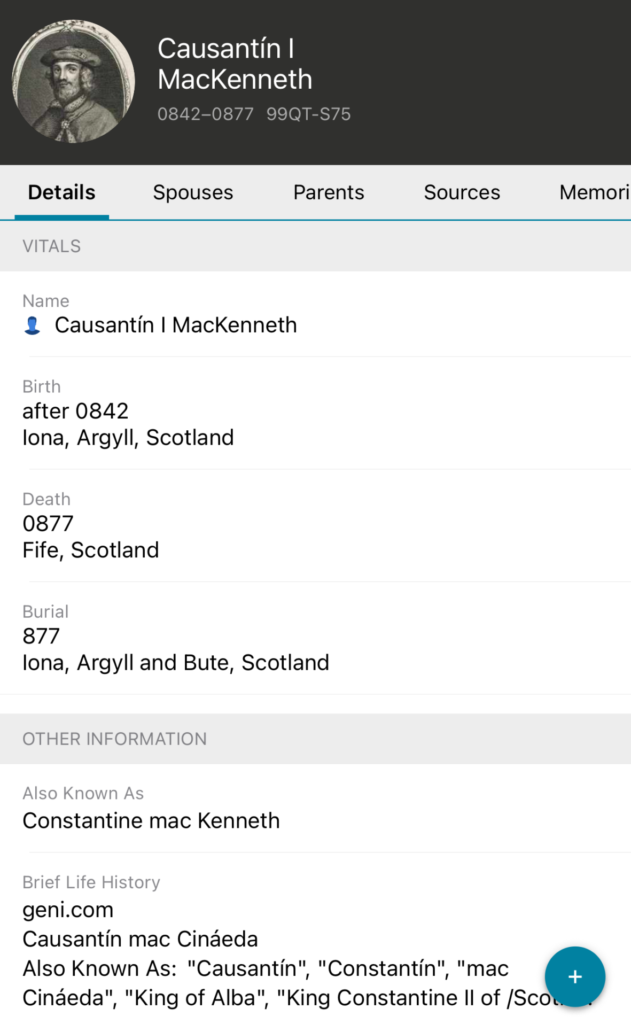
- Constantine I
- Áed
- Eochaid & Giric
- Donald II
- Constantine II
- Malcolm I
(This is a partial list, not all monarchs are shown here)
🏰 Later Monarchs Leading to James
After the House of Alpin era, the Scottish crown passed through various houses, including Dunkeld, Balliol, Bruce, and Stewart/Stuart. By the late medieval period:
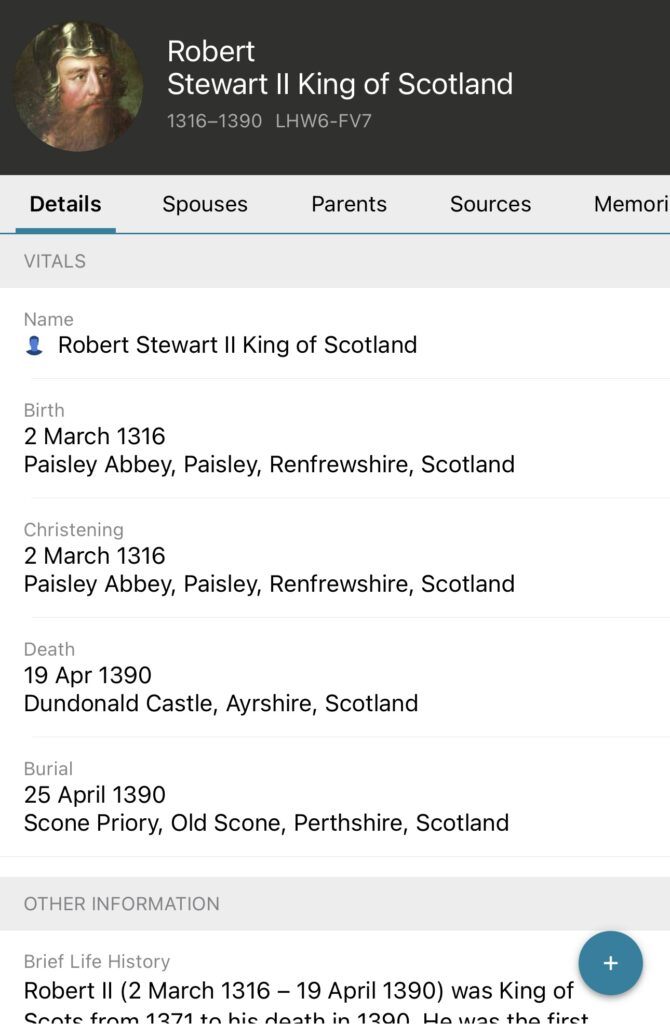
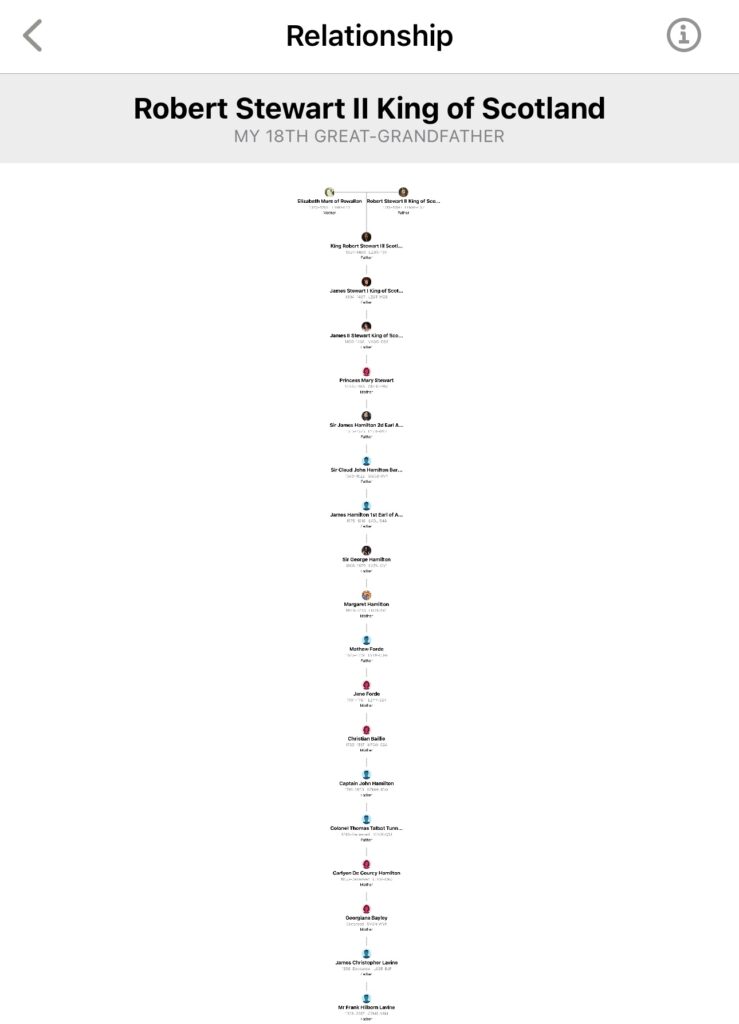
Robert II of Scotland – First Stewart king
James I and the Union of Crowns
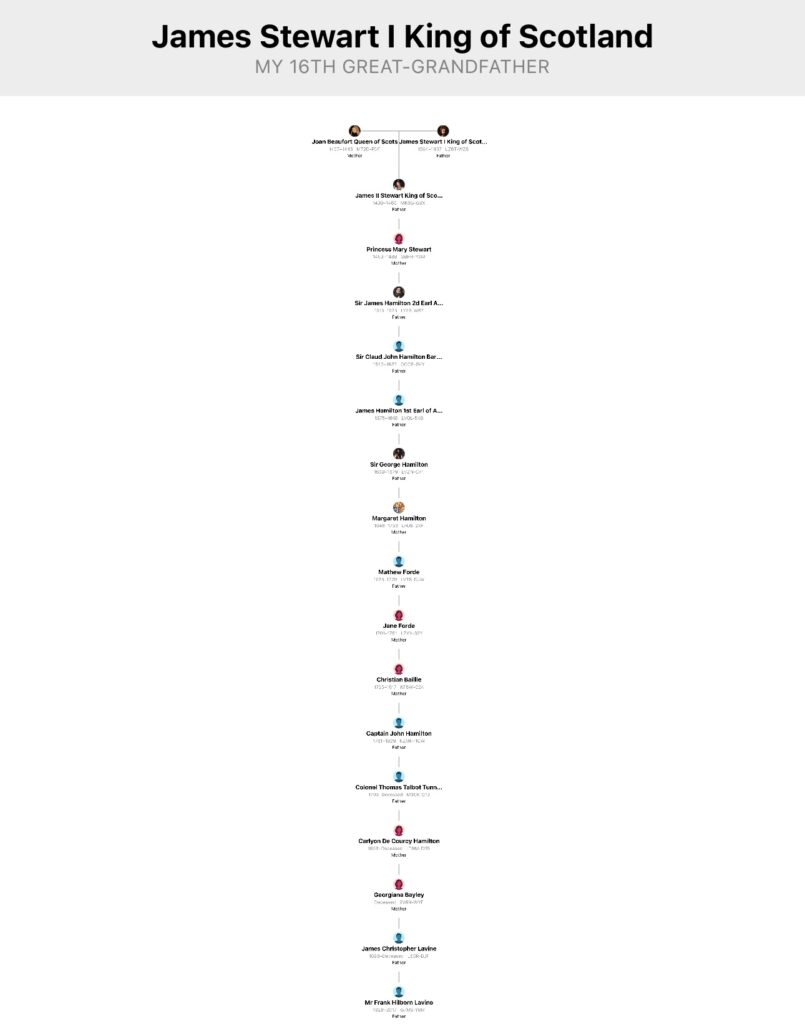
James I of Scotland – King of Scots from 1406 until 1437.
James VI and I – Later monarch who became King of Scotland (as James VI). In 1603, James VI of Scotland became King James I of England and Ireland, uniting the crowns.
Summary Lineage
Alpín → Kenneth I → House of Alpin → Later Houses (Dunkeld, Balliol, Bruce) → Stewart line → James VI/I
📌 Notes:
- Kenneth MacAlpin is traditionally regarded as the first king of what later became Scotland, though before his time the region was a collection of Gaelic (Scoti) and Pictish kingdoms.
- The Monarchy of Scotland evolved over centuries, with shifts in ruling houses and titles.
- England, Scotland, Wales, and Ireland were separate kingdoms until the Union of the Crowns (1603) and later the Act of Union (1707).
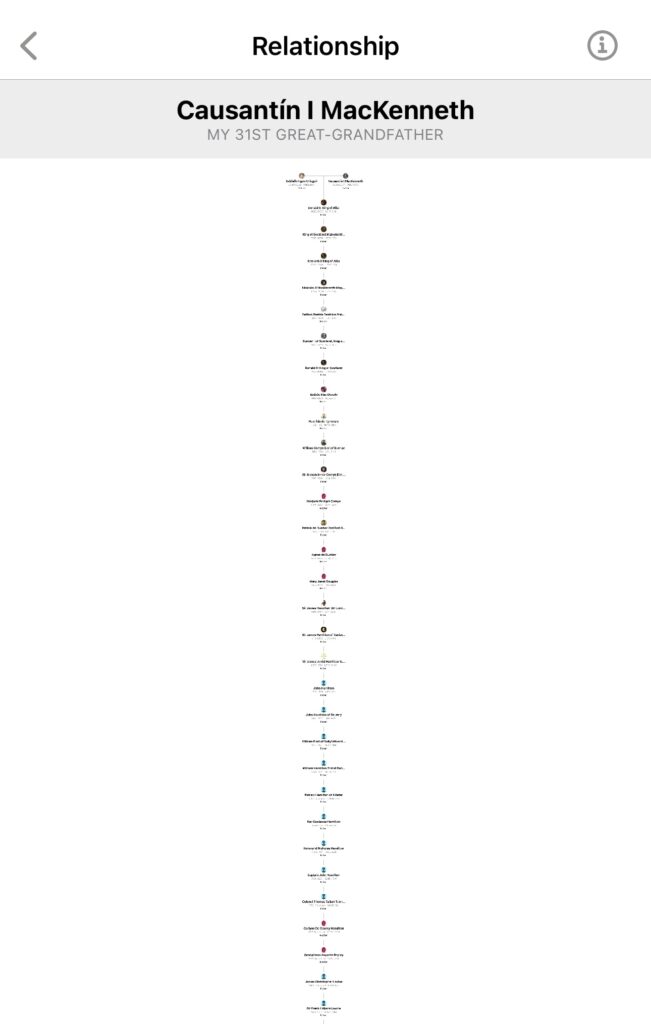
Lineage from Early Scotland to James VI/I
Alpín mac Echdach
│
▼
Kenneth I MacAlpin
│
├── Donald I
├── Constantine I
│
… (Alpin dynasty continues)
│
▼
House of Dunkeld / Bruce / Stewart
│
▼
Robert II of Scotland
│
▼
James I of Scotland
│
▼
James VI of Scotland & I of England and Ireland
House of Stuart and Royal Lineage
King James I of England and Ireland — known in Scotland as James VI — stands at a key point in the history of the British Isles, because he was the first monarch to personally unite these crowns. In 1603, following the death of Queen Elizabeth I of England, James VI of Scotland succeeded to the English and Irish thrones as King James I, uniting all three crowns under one ruler.
Scottish Roots
James VI and I was part of the House of Stuart (originally Stewart), a Scottish royal dynasty founded by Robert II of Scotland in 1371. His lineage includes famous rulers such as Robert the Bruce and many earlier Scottish kings whose lines are traced back through traditional lists of Pictish and early Scottish monarchs.
Before the Stewarts, early Scottish kings include Kenneth I (MacAlpin) in the 9th century, who is often considered the first king to rule over what became Scotland.
James VI and I’s Scottish ancestry gave him a direct claim to the Scottish throne from infancy after his mother Mary, Queen of Scots, abdicated.
English and Irish Claims
James’s claim to the English and Irish crowns came through his great‑great‑grandmother, Margaret Tudor, sister of Henry VIII of England. Because Elizabeth I died without heirs, the Tudor line ended, and James — as a descendant of Henry VII through Margaret Tudor — inherited the English and Irish thrones upon Elizabeth’s death in 1603.
Once on the English throne, James continued to rule Scotland and Ireland as well, formalising a personal union of the three kingdoms.
Wales and Wider Lineage Context
While Wales did not have a separate ruling dynasty at this time (being under English rule after the 13th century), the monarchs of England post‑Conquest also held lordship over Wales, so English royal genealogy includes Welsh ancestry through earlier medieval rulers. Genealogical charts of the British monarchy show that from Alfred the Great and the House of Wessex, through the Norman and Plantagenet lines, into the Tudor line, and finally reaching James, there is deep interconnected lineage across all the British kingdoms.
Summary: Monarchic Connection to James VI and I
- Scotland: James VI was monarch from 1567, and his ancestry traces through early Scottish kings and the House of Stewart.
- England & Ireland: Through Tudor ancestry, James became King James I in 1603, bringing England and Ireland under his rule.
- Wales: As part of the English kingdom, Welsh royal heritage is folded into the broader royal lineage that eventually came under James’s rule.
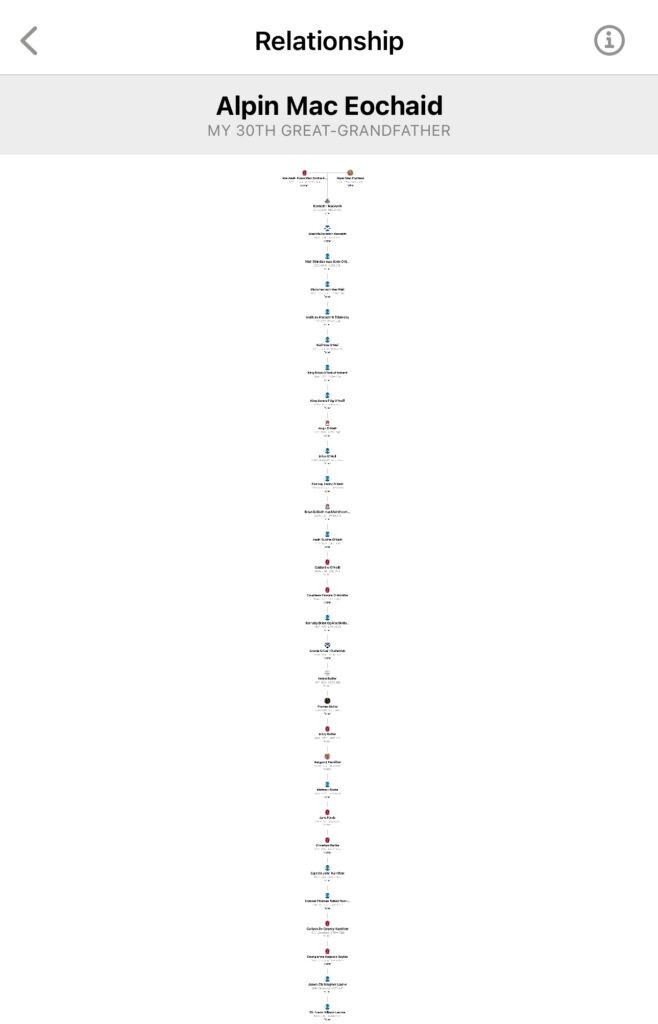
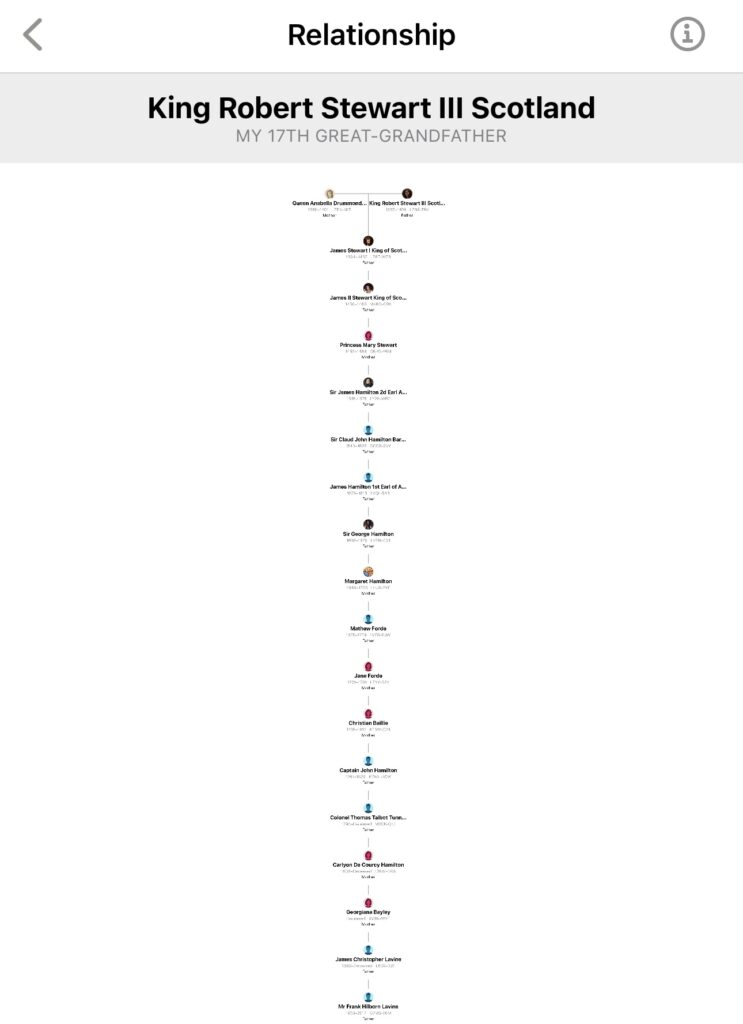
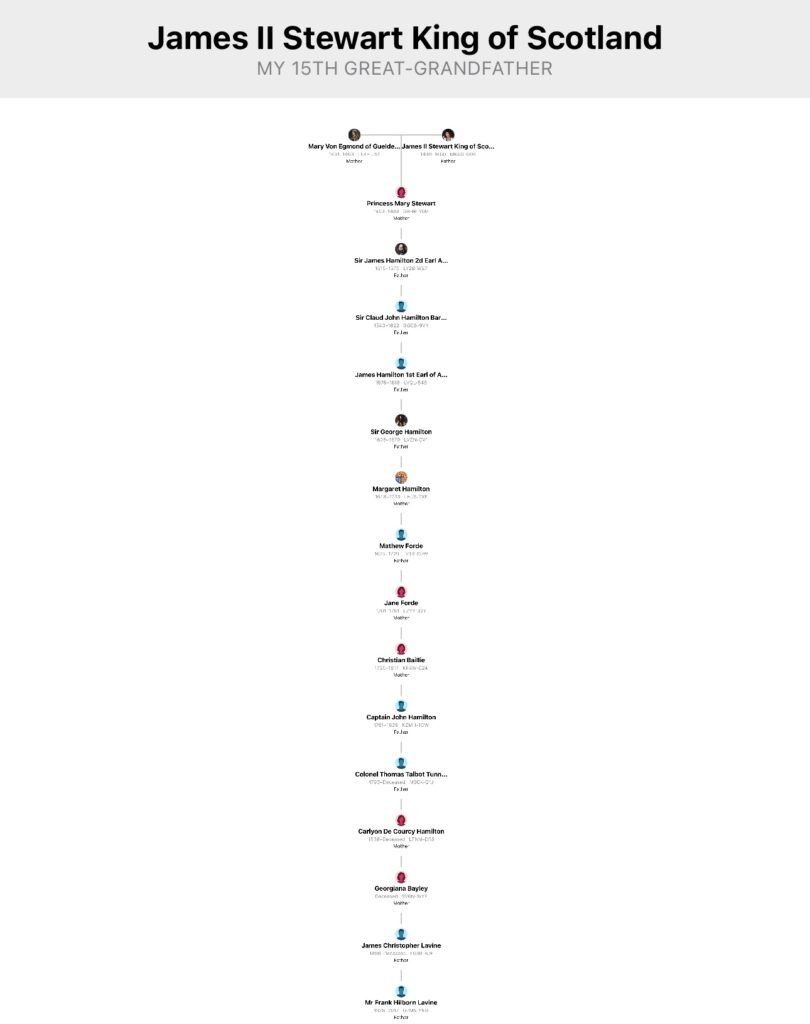
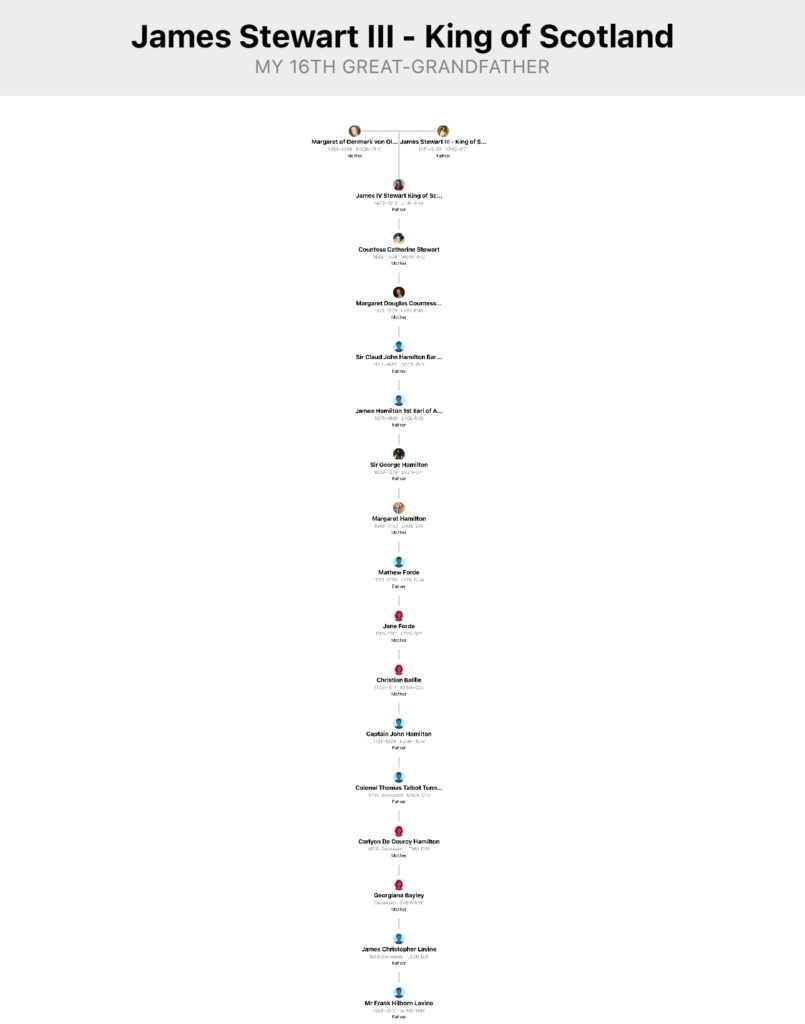
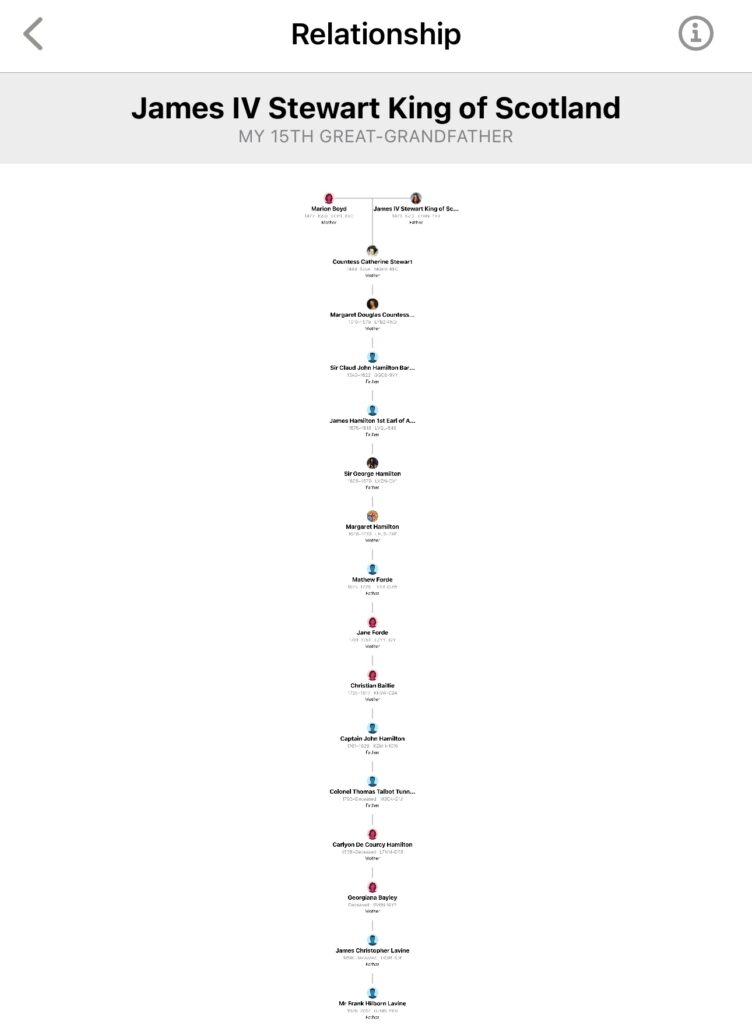
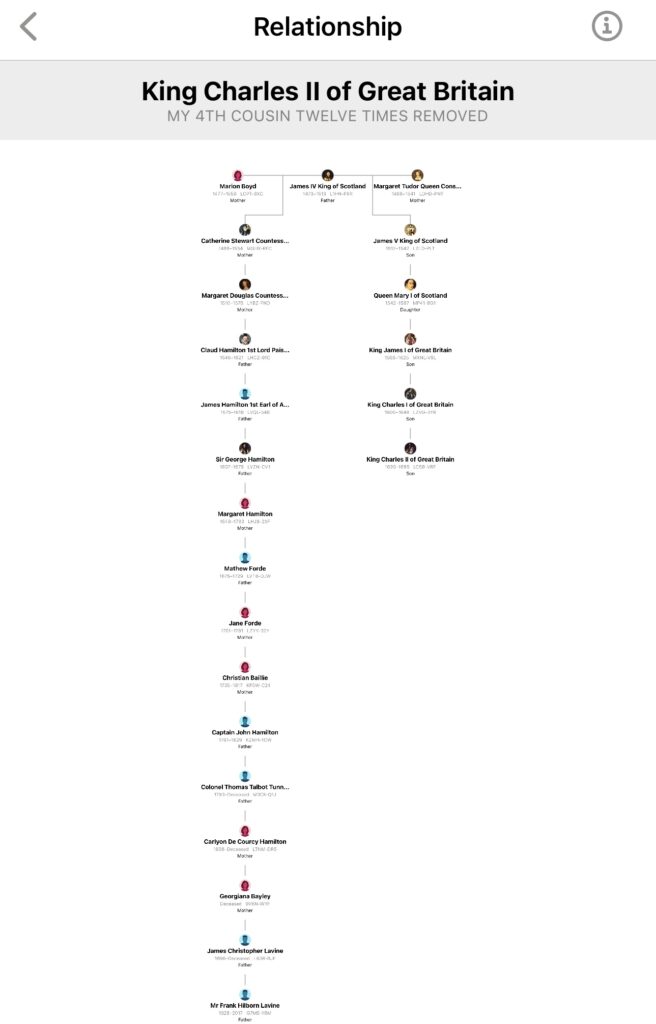
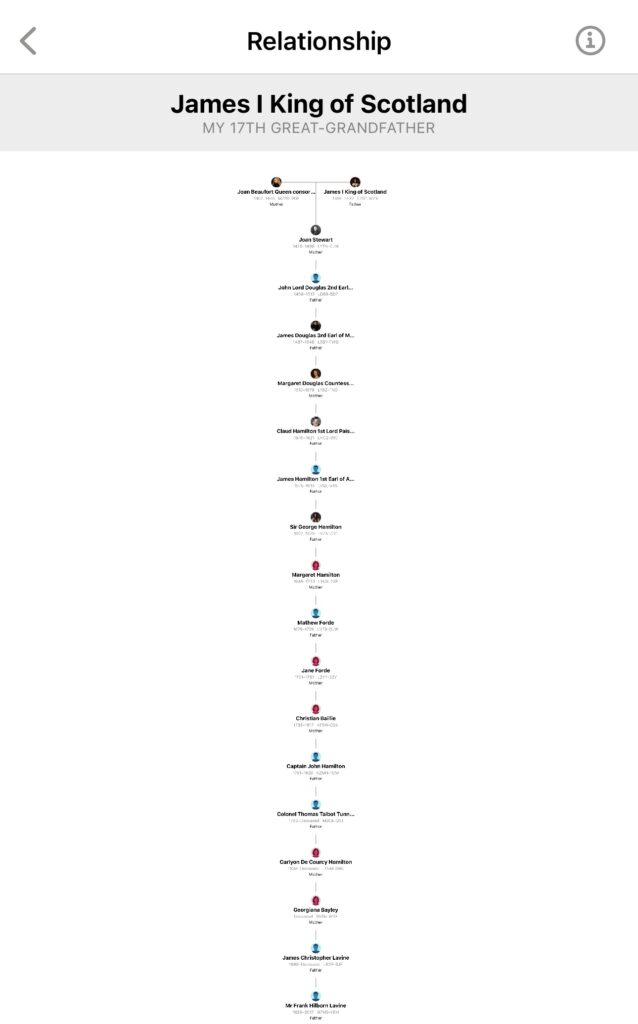
Family Tree: Kings of England, Scotland and Ireland
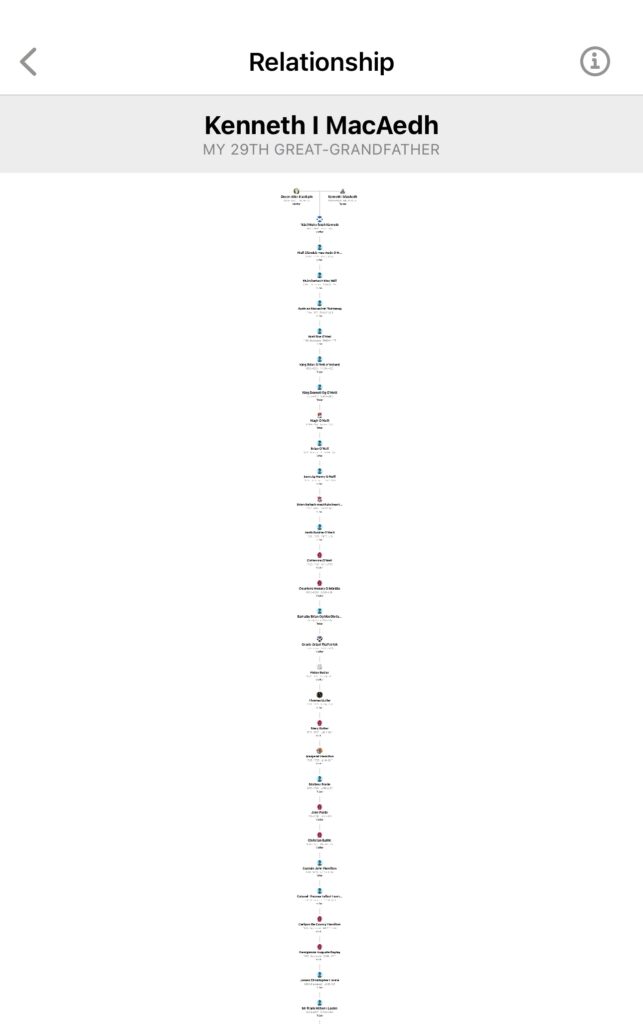
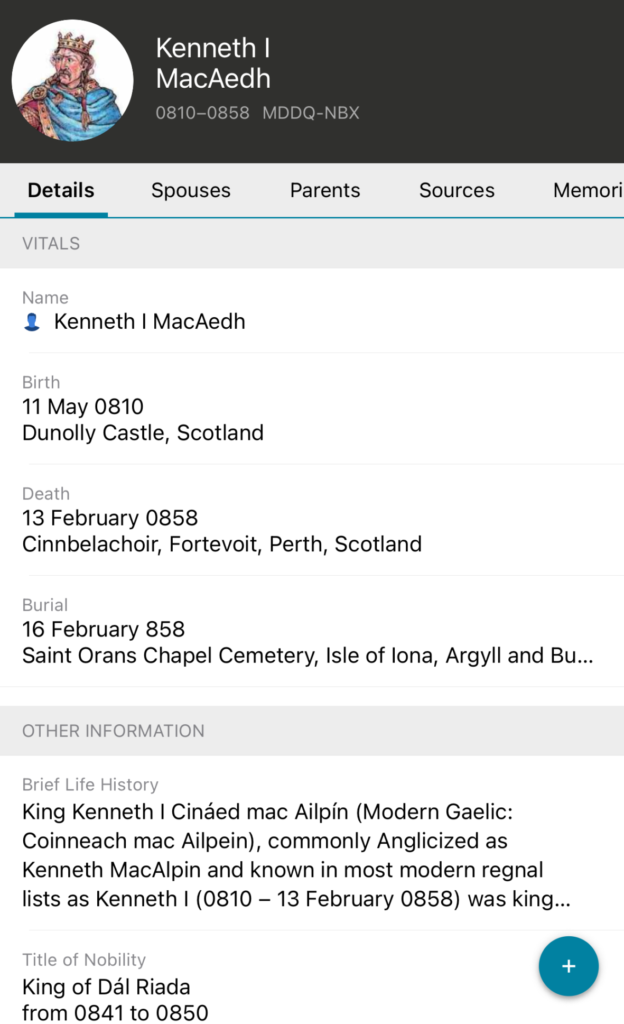
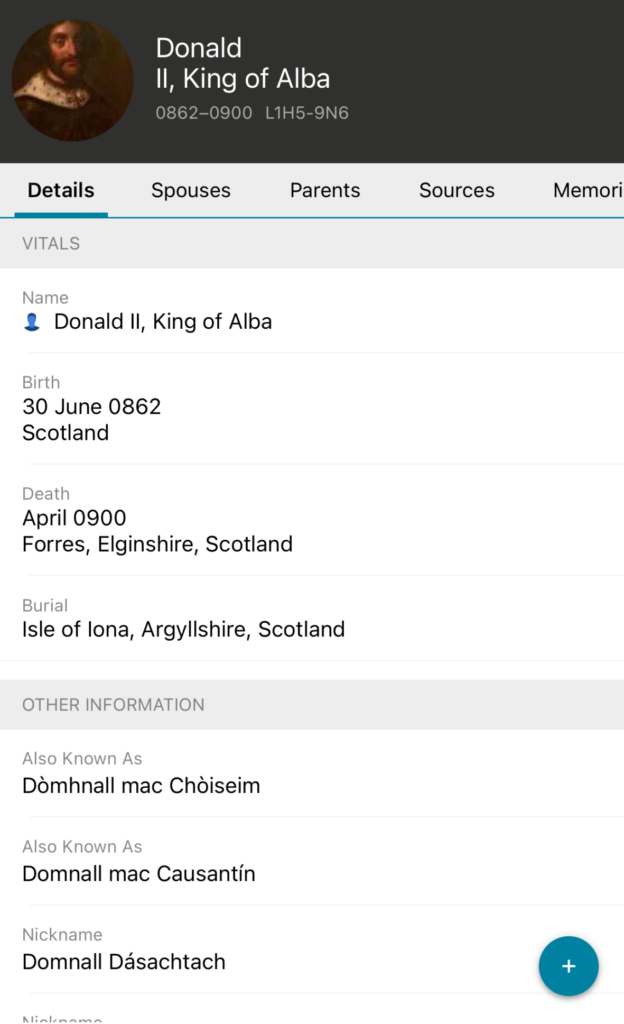
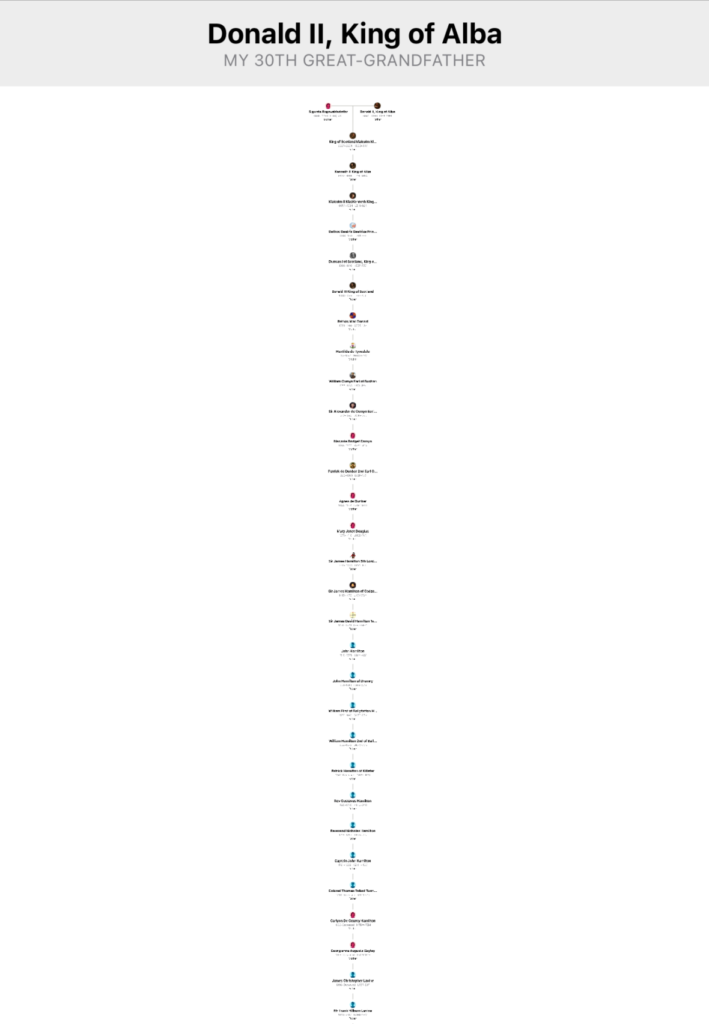
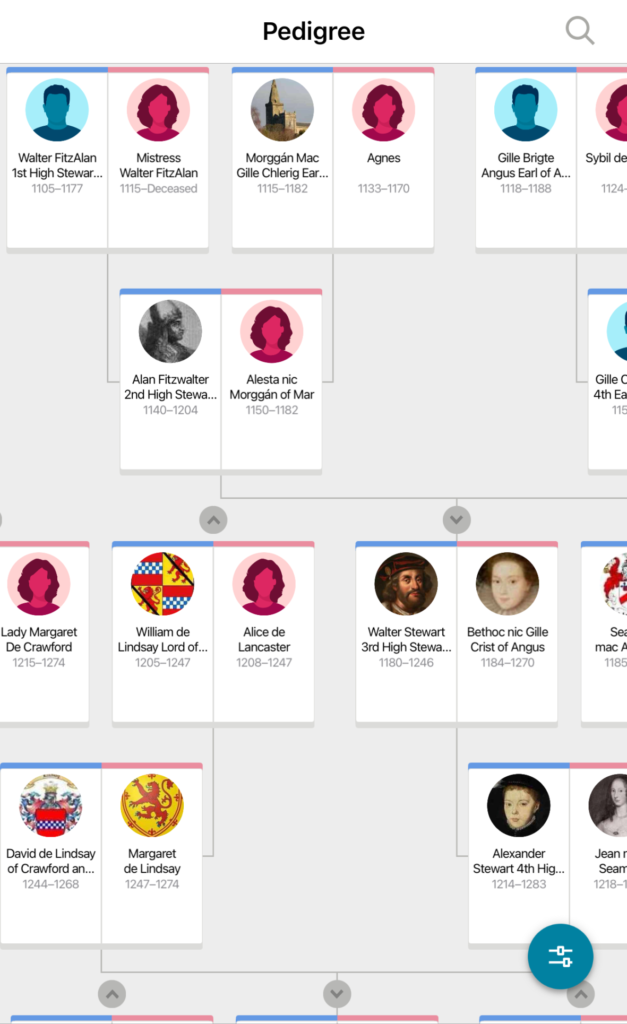
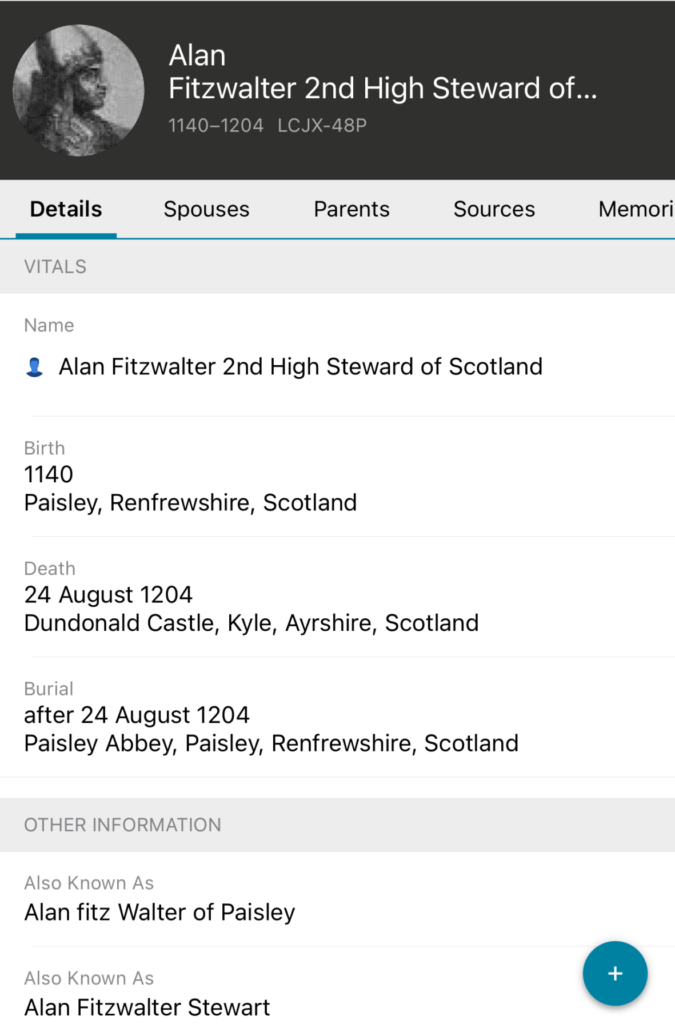
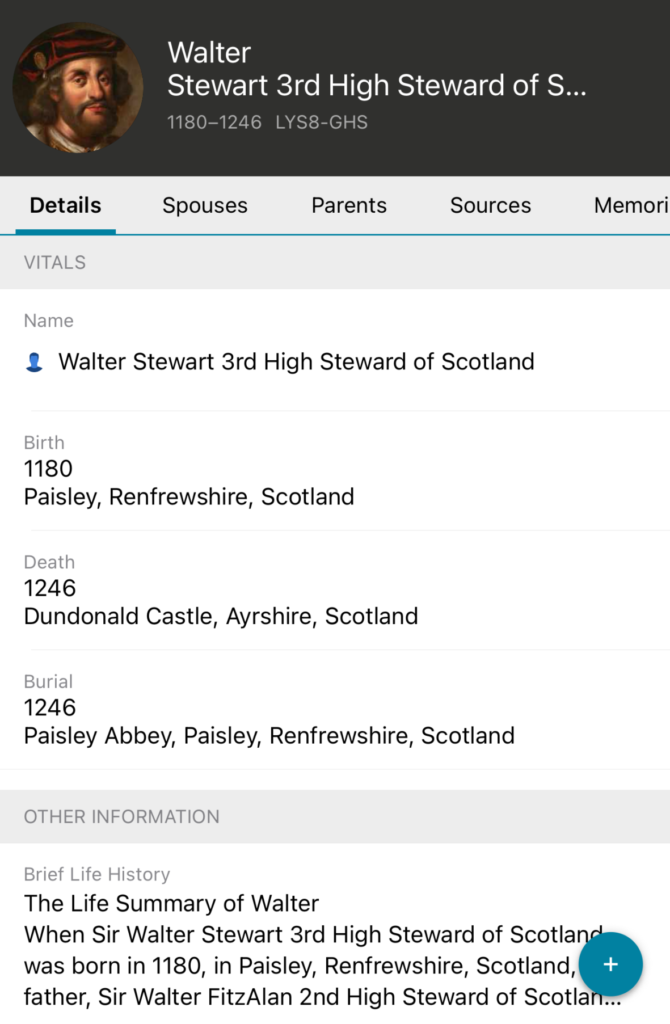
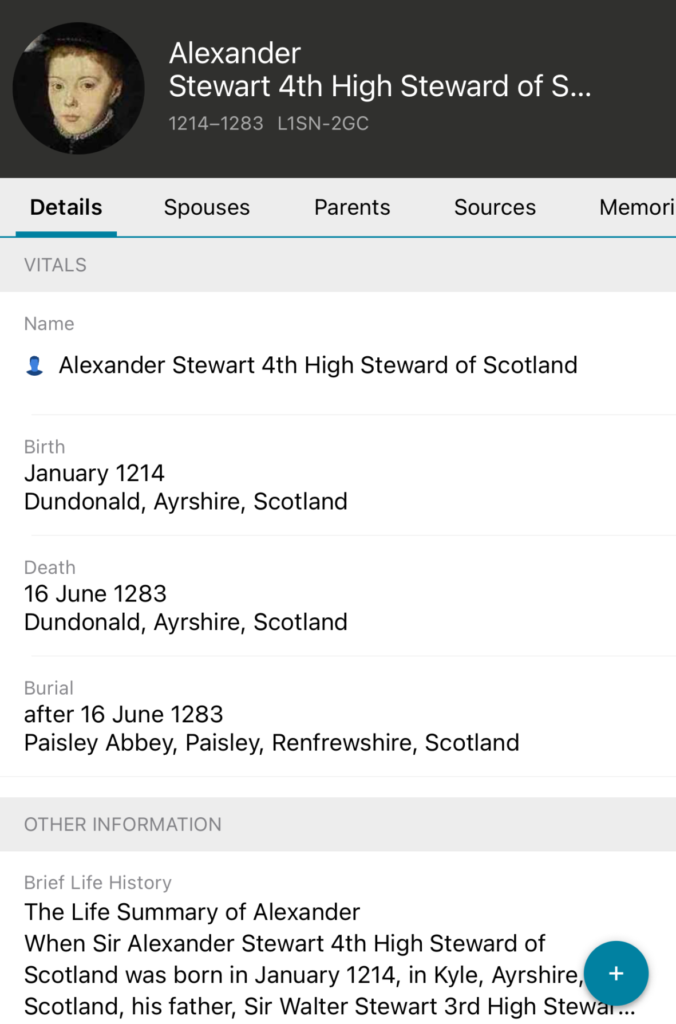
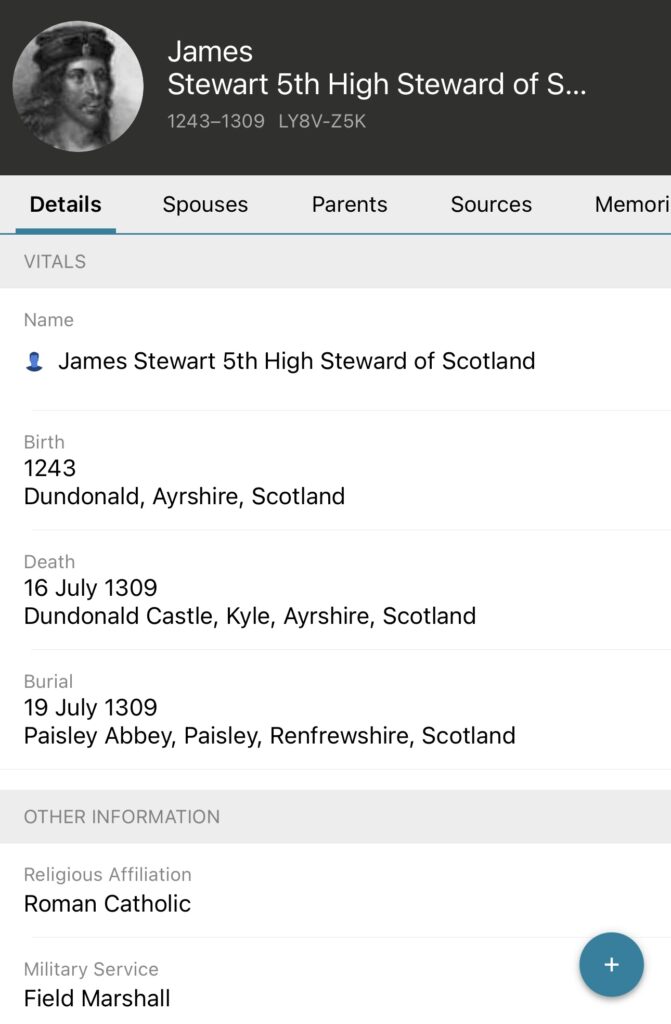
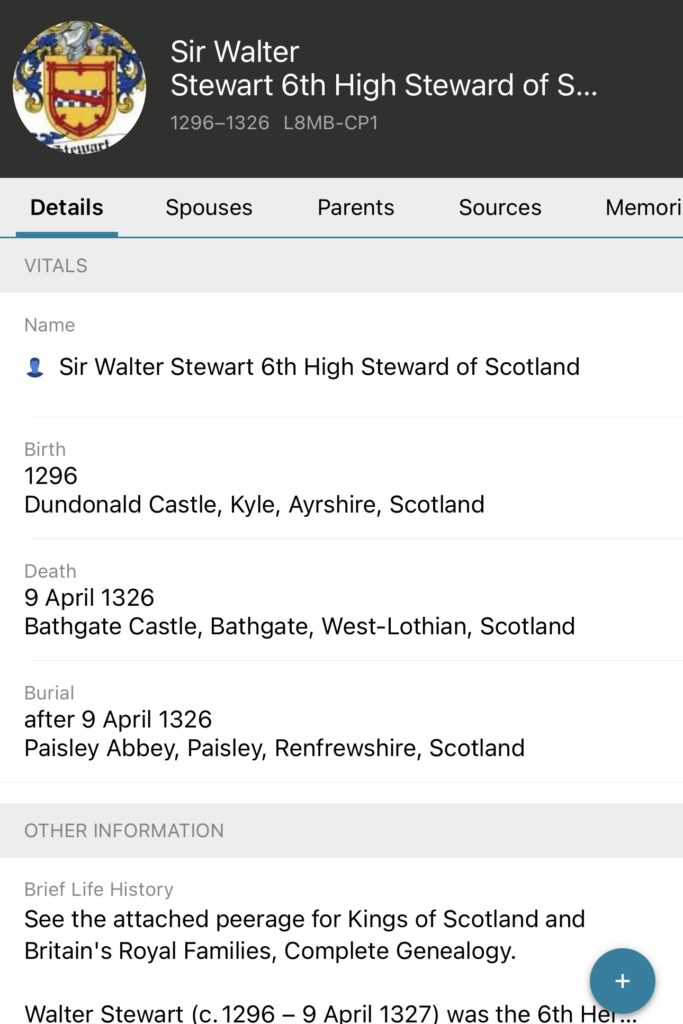
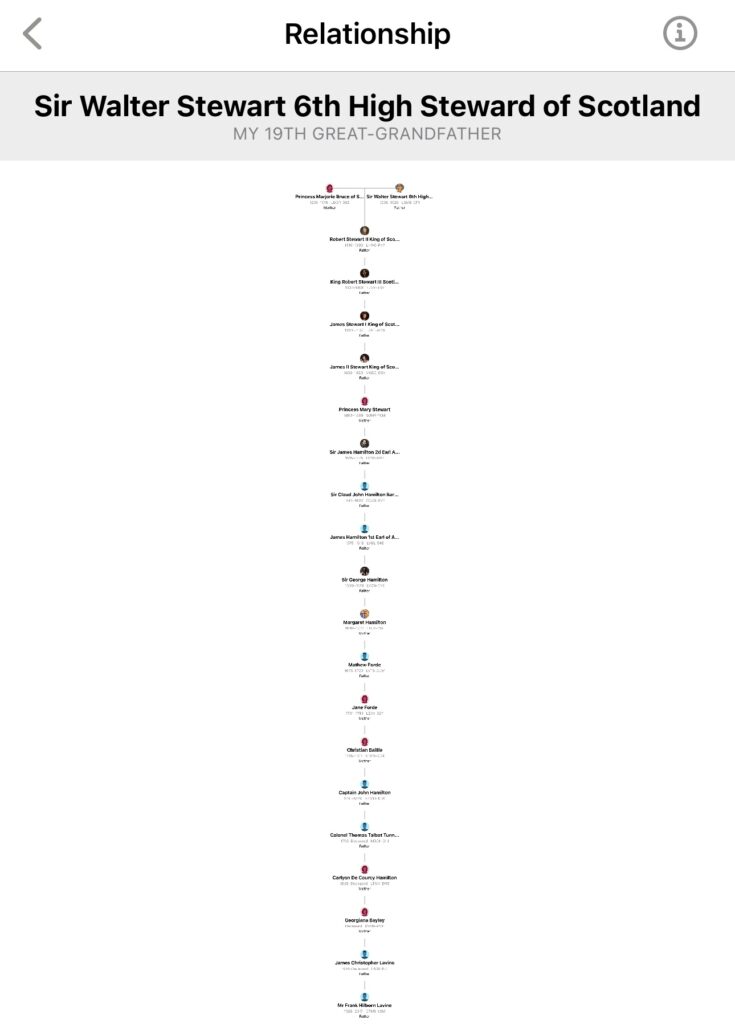
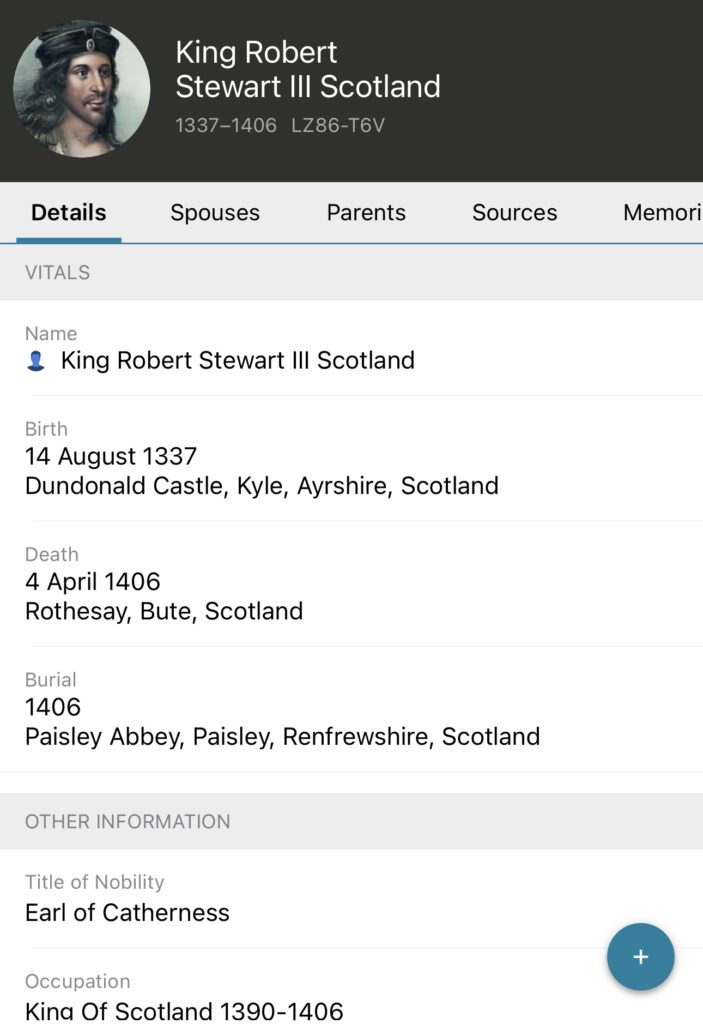
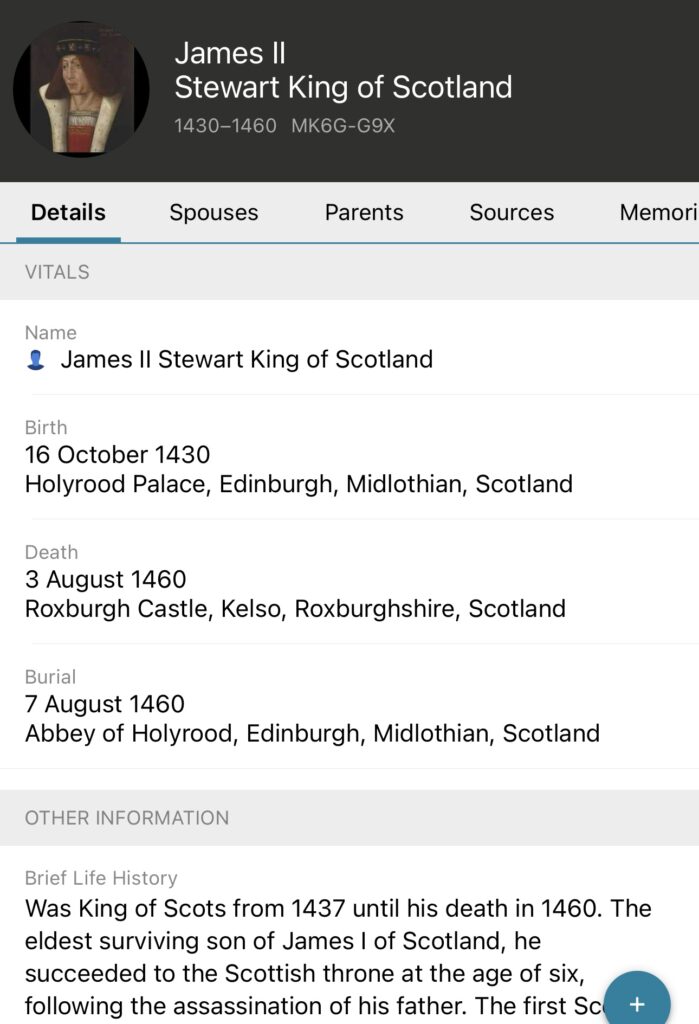
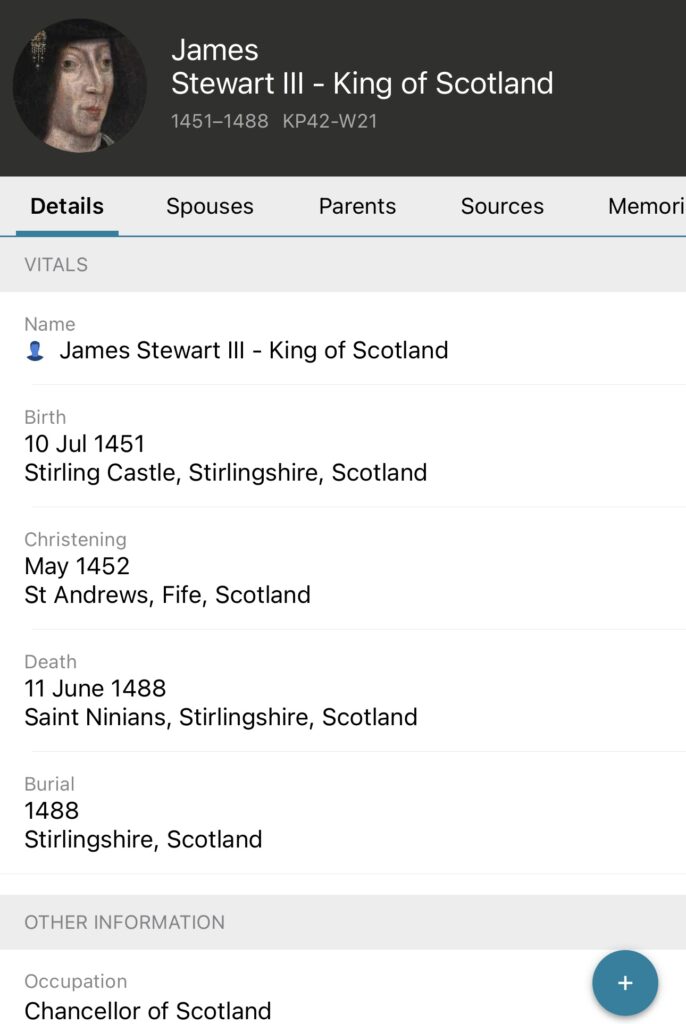
From High Steward to King: Walter FitzAlan I to James I
The Time of Musa and the Scattering
Moses (Musa) is central to the history of the Children of Israel.
It is rumoured in some traditions that Musa travelled as far as Ireland. More widely, the exile and dispersal of the Children of Israel is associated with the period around the 13th century BCE (c. 1300–1200 BCE). The Exodus is commonly placed in this timeframe, although some traditions suggest an earlier date of around 1446 BCE.
Why This Matters for Ancestry
Because royal genealogy intertwines across centuries and regions:
Many later European royals (and numerous non‑royal descendants today) trace part of their lineage back to this combined line.
Monarchs like James I/VI effectively represent a convergence point for the ancient royal houses of the British Isles.
Closing Reflection
The account of Isaac connects prophecy, land, and lineage — linking early Abrahamic ancestry to later historical kingdoms and identities across Scotland, England, Ireland, and Wales.
Through these preserved narratives, themes of migration, identity, and continuity remain central — inviting reflection on ancestry, heritage, and the visible signs left across the land.
The Dál Riata Connection: Scottish and Irish Royal Heritage
Early Scottish kings, including Alpín mac Echdach, are traditionally linked to Irish royal lineages, particularly through figures named Eochaid, reflecting the shared heritage of Dál Riata.
English and Scottish Monarchs Family Tree
#England, #Scotland, #Ireland, #Wales